Cracker

Regular price Sale price £14.00

Cracker

Regular price Sale price £14.00
Shipping calculated at checkout.
Rum & Raisin
Dried Orange

Ho ho ho! The Christmas coffee sacks have landed and Cracker is in the roaster once again! Just as delicious as a pourover as it is as an espresso paired with textured milk, you can enjoy this smooth, delicious coffee right through the festive season, however you choose to make it.

Available in 250g bags or our 250g tins, it makes a perfect gift for a loved one, or a great little treat for yourself.

size

Select grind: (Need help? View Grind guide)

Farm:

Santa Bárbara Estate

Processing:

Washed

Owner:

Echavarria Family

Region:

Antioquia

Varietal(s):

Colombia

Altitude:

1,400 to 2,000 metres above sea-level

Town:

Santa Bárbara

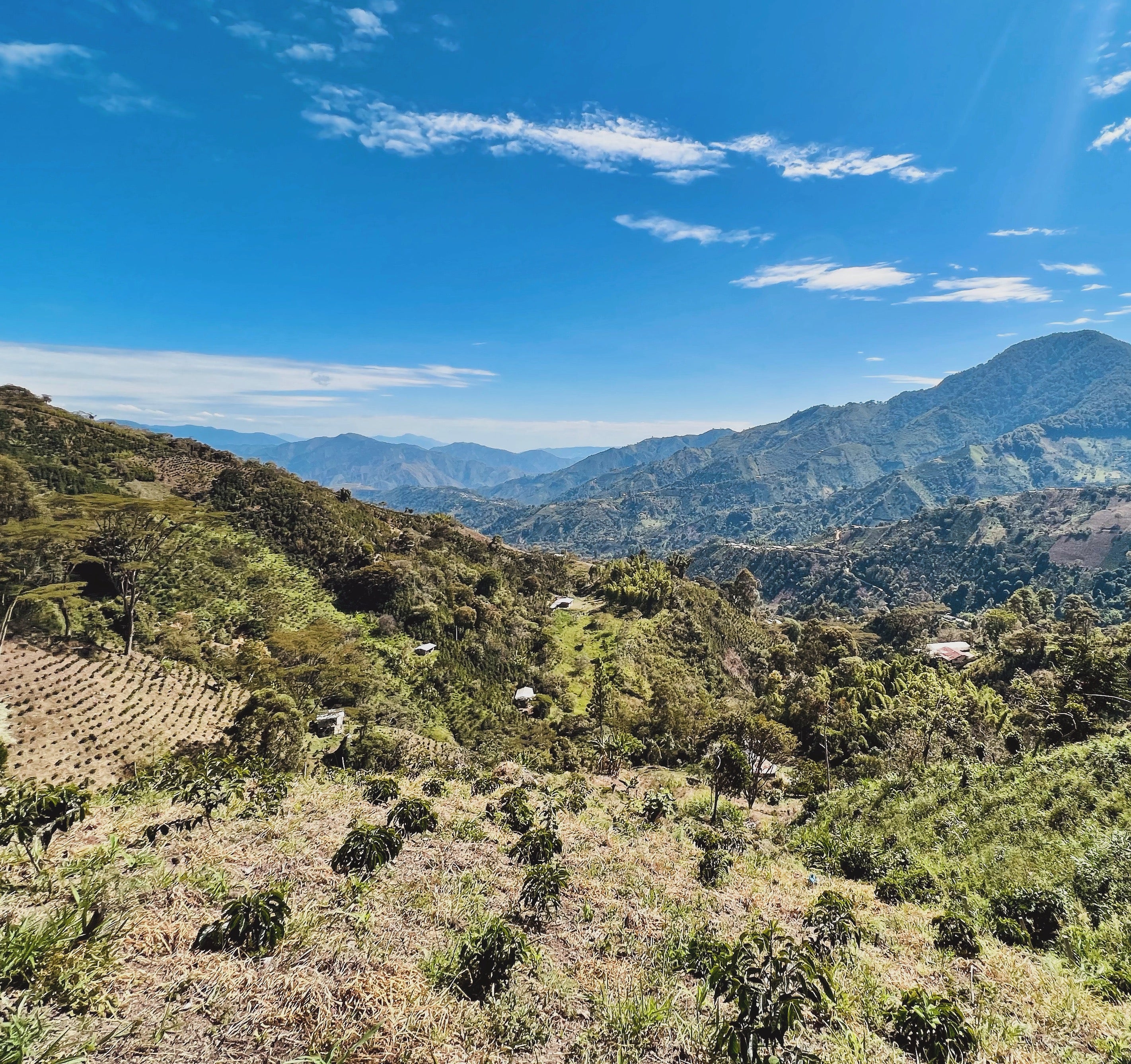
Attracted by diverse microclimates, singular volcanic soils, perfect altitude and a tradition of excellence in coffee production, Sr. Pedro Echavarria established a small farm in the high Andes of Antioquia, in the 1980s. The farm grew into the Santa Barbara Estate, composed of five sister farms that lie across three neighbouring geographical regions, which Michael was lucky enough to visit in 2024. In the last five years, Pedro’s son, also Pedro, has become more deeply involved in the workings of the farm, taking the already high quality of the coffee to new heights through experimentation in processing and increased monitoring and control of every stage of production. Along with Santa Barbara’s Coffee Director, Leonardo Henao Triana, Pedro Jr has developed La Joyería, the jewel of the estate. This lot was grown at an average altitude of 1,700 metres and is 100% Colombia variety, picked over two days; the coffee picked on the second day is added to the first after 24 hours fermentation and then left to ferment in the tanks for a further 24 hours. In this method of fermentation, the second batch raises the pH of the fermentation tank, permitting longer fermentation times without the acetic acid produced by bacteria at a lower pH, giving a distinctive, even and controlled fruit-forward cup.

Farm:

Abebe Hailu

Processing:

Natural

Owner:

Abebe Hailu

Region:

Yirgacheffe

Varietal(s):

74110, Local Land Races

Altitude:

2,100 metres above sea-level

Town:

Idido Kebele

This coffee was grown, harvested, and processed by Abebe Hailu on his farm in Halo Bariti, Yirgacheffe. Having inherited 4.5 hectares of land from his father, Abebe continues the family tradition to support his 7 children, cultivating the JARC varietals 74110, 74112, and Kurume beneath the shade of Albizia and Enset trees. During harvest, Abebe and his family carefully select only fully ripe red cherries, which are dried on raised African beds for around 15 days and are turned frequently throughout sunny days to ensure slow, even drying. After drying, the coffee is rested in open piles in the coolest part of the warehouse for about 30 days before being packed in clean jute bags and sent to Gedeb dry mill for hulling and removal of defects/debris. After this it receives further milling in Dunkem, where coffee is destoned, screened, and run through a gravity and colour sorter.
Roasters Notes Cracker
Two of my favourite origins right here, with a Colombian from the always amazing Santa Barbara Estates, to give a gorgeous orangey base, and a natural processed Ethiopian to add some festive zing!
About Colombia
Colombia is the third largest coffee-producing country in the world. Mountainous and fertile, it has multiple tropical microclimates which result in incredibly diverse, quality coffee harvested from October to February, with a second, fly crop several months later, varying by region and microclimate.

There is a huge variety of coffee produced in Colombia, but the country’s coffee is generally associated with tasting notes of chocolate, nut and a moderate, citrusy acidity.
About Ethiopia
Where it all began, Ethiopia is where coffee was first consumed by humans, albeit as a fruit rather than a beverage.

From wild coffee, harvested in the verdant forest, to garden coffee, grown around the homesteads of smallholder farmers, to vast estates of meticulously but intensively farmed trees, Ethiopia offers a stunningly diverse crop.

Typically harvested between October and February, Ethiopian coffees are often brilliantly fruity and floral, with notes of bergamot, and elegant complexity.

Discover the best way to enjoy

your coffee